

When Should Kids Start Losing Baby Teeth?
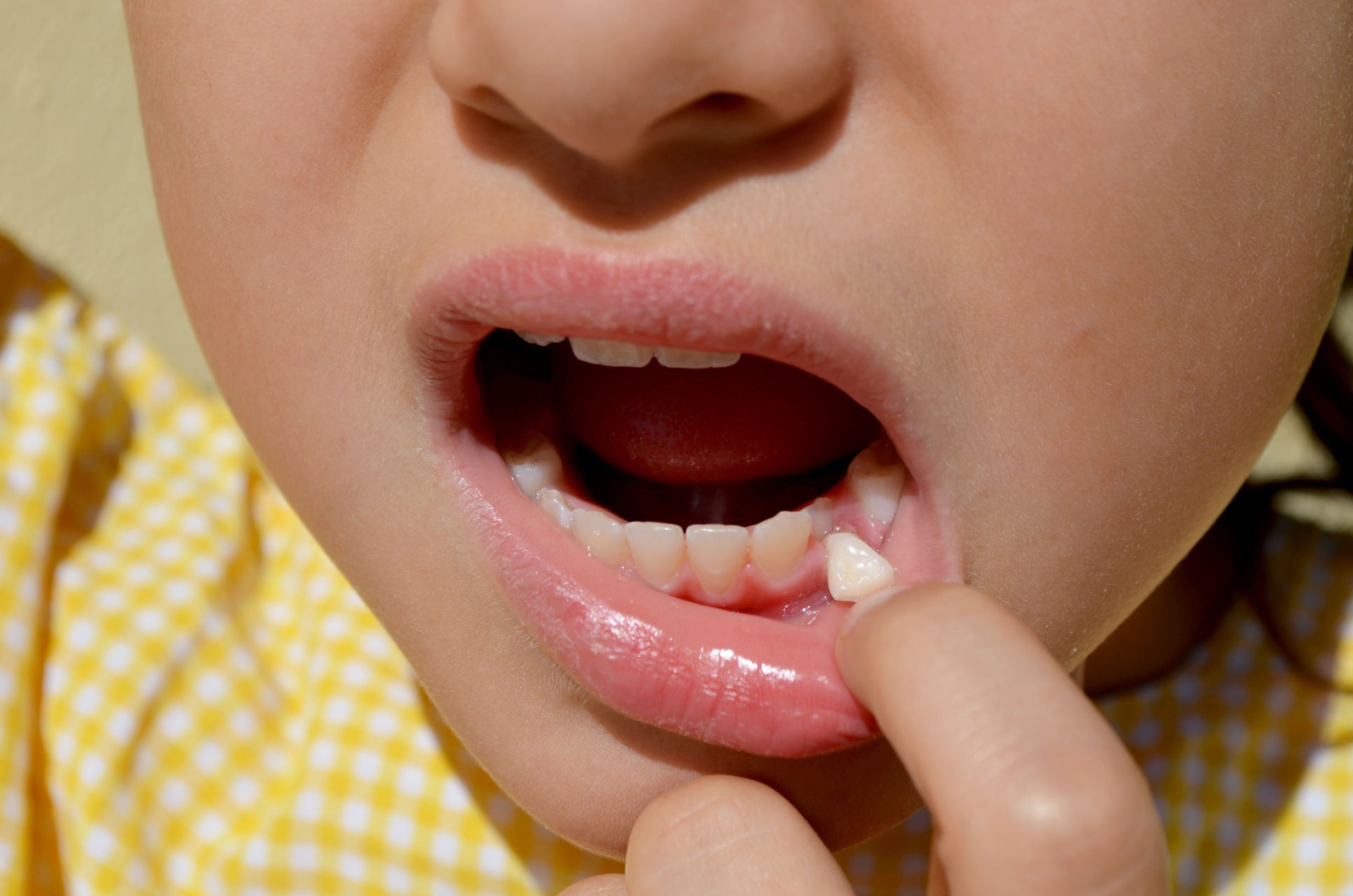
Watching a child lose their first baby tooth is a milestone many parents look forward to. It’s often exciting—part of growing up, a sign that the “big kid” stage is beginning. But it can also bring questions. Is it happening too early? Too late? Are the teeth coming out in the right order? And when should you actually be concerned?
Understanding the normal timeline for losing baby teeth can help reduce worry and make it easier to recognize when something might need a closer look. If you’re searching for guidance from a trusted pediatric dentist in Roanoke, VA, knowing what’s typical is the first step in supporting your child’s dental development.
At Parkway Pediatric Dentistry in Roanoke, VA, parents often ask about timing, sequence, and what variations are still considered healthy. The good news is that there is a general pattern—but also a wide range of normal.
The Typical Timeline for Losing Baby Teeth
Most children begin losing their baby teeth around the age of 6 years old, although it can be slightly earlier or later depending on the child. The process usually continues until about age 12 or 13, when most permanent teeth have erupted.
The first teeth to fall out are typically the lower front teeth (lower central incisors), followed by the upper front teeth. From there, the pattern generally moves outward toward the back teeth.
However, this timeline is not identical for every child. Some may start as early as 5, while others may not lose their first tooth until closer to 7 or even 8. In most cases, both are still considered normal as long as development is otherwise healthy and symmetrical.
Why Baby Teeth Fall Out in the First Place
Baby teeth, also known as primary teeth, are not permanent. They serve an important role in helping children chew, speak, and maintain space in the jaw for adult teeth.
As permanent teeth develop underneath, they gradually push upward. This pressure causes the roots of baby teeth to dissolve naturally, making them loose and eventually causing them to fall out.
This process is designed to be gradual and organized, ensuring that adult teeth come in properly aligned and with enough space.
What’s Considered Normal Tooth Loss
There is a wide range of normal when it comes to losing baby teeth. Some children follow the textbook timeline closely, while others vary slightly without any underlying issues.
In general, the following patterns are considered normal:
Most children lose their first tooth around age 6. Teeth typically fall out in a predictable order, starting with the lower front teeth. The process continues steadily over several years, rather than all at once. By early adolescence, most permanent teeth are in place.
Slight differences between the left and right sides of the mouth are also normal. One tooth may loosen weeks or even months before its matching counterpart.
When Early Tooth Loss Might Be a Concern
Losing baby teeth earlier than expected is not always a problem, but it can sometimes signal underlying issues that should be evaluated by a children’s dentist in Roanoke.
Early tooth loss may occur due to trauma, such as a fall or sports injury. It can also happen due to decay or infection that weakens the tooth structure. In some cases, genetic factors or developmental differences may play a role.
If a child loses a tooth significantly before age 5, or if multiple teeth are lost in a short period of time, it may be worth scheduling an evaluation. Early loss can sometimes lead to spacing issues if the surrounding teeth shift into the empty space too quickly.
When Late Tooth Loss May Need Attention
On the other end of the spectrum, some children keep their baby teeth longer than expected. While this is often harmless, there are situations where it may need evaluation.
If a child is 8 years old or older and has not lost any baby teeth, it may be a good idea to consult a pediatric dentist. In some cases, adult teeth may be delayed in developing or may be impacted beneath the gums.
Late tooth loss can sometimes lead to crowding or alignment issues if permanent teeth erupt in the wrong position.
A simple dental exam and X-ray can help determine whether everything is developing normally beneath the surface.
What Happens If Teeth Fall Out Out of Order?
It is not unusual for children to lose teeth slightly out of the typical order. For example, a child might lose a side tooth before a front tooth, or lose teeth on one side before the other.
In most cases, this is still normal development. However, consistent asymmetry or unusual patterns may sometimes indicate missing permanent teeth or eruption delays.
Monitoring the pattern over time is more important than focusing on a single tooth event.
Signs That Should Prompt a Dental Visit
While variation is normal, there are a few signs that suggest it may be time to check in with a pediatric dentist:
If a baby tooth becomes loose very early without a clear cause, or if it falls out due to decay, a dental evaluation is recommended. Persistent pain, swelling, or signs of infection around a tooth are also important to address.
If permanent teeth begin erupting behind baby teeth (sometimes called “shark teeth”), this is often harmless but may require monitoring or guidance from a dental professional.
Finally, if there is noticeable crowding or spacing concerns as teeth come in, early evaluation can help guide future orthodontic planning.
How Parents Can Support Healthy Tooth Loss
While parents can’t speed up or slow down the process, they can support it in simple ways.
Encouraging good brushing habits helps keep gums healthy as teeth loosen. Teaching children not to force out loose teeth is also important, as premature removal can sometimes cause irritation or bleeding.
A balanced diet that supports dental health can also make a difference in overall development.
Most importantly, maintaining routine dental visits helps ensure that tooth loss and eruption are progressing normally.
Why Regular Pediatric Dental Visits Matter
Routine checkups allow dentists to monitor how baby teeth are falling out and how permanent teeth are developing underneath. This helps catch potential issues early, often before they become more complicated.
A pediatric dentist in Roanoke, VA can also track jaw growth, spacing, and alignment over time. This long-term monitoring is one of the key benefits of early dental care.
Even if everything appears normal, these visits provide reassurance for parents and help children build comfort with dental care from a young age.
Parkway Pediatric Dentistry – Caring for Growing Smiles in Roanoke
Every child develops at their own pace, and losing baby teeth is an important—but highly individual—part of that journey. While general timelines are helpful, nothing replaces a professional evaluation when questions come up.
At Parkway Pediatric Dentistry in Roanoke, VA, the team is dedicated to helping parents understand each stage of their child’s dental development. From the first loose tooth to the arrival of permanent teeth, every stage is carefully monitored to ensure healthy growth and alignment.
If you have questions about your child’s tooth loss pattern or want reassurance about what’s normal, scheduling a visit can provide clarity and peace of mind.
Parkway Pediatric Dentistry – Schedule Your Child’s Visit Today
If you’re wondering whether your child’s dental development is on track, now is the perfect time to check in.
Contact Parkway Pediatric Dentistry today in Roanoke, VA to schedule an appointment and ensure your child’s smile is growing just as it should.